
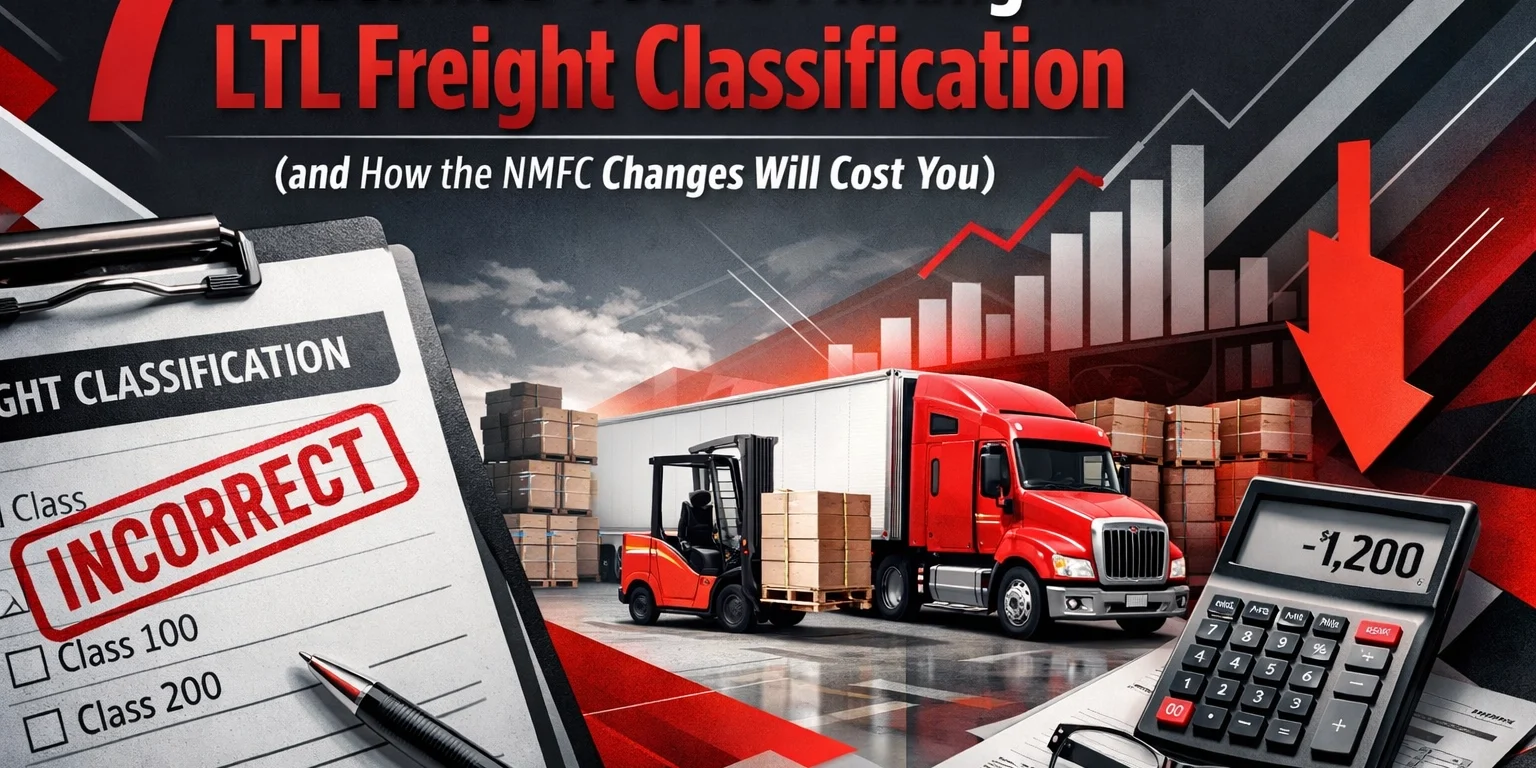
Let's be honest: freight classification is one of those things that shouldn't be complicated, but somehow the industry has turned it into a minefield. You get a quote, you ship your freight, and then, surprise!, you get hit with reclassification fees that weren't in the original price.
Sound familiar?
Here's the thing: with the recent NMFC changes that rolled out in July 2025, over half of all commodities are now impacted by new classification rules. If you're still doing things the old way, you're setting yourself up for some expensive lessons.
We've seen it happen too many times. A shipper thinks they're saving money by using a lower freight class, only to get slammed with fees and reduced claim payouts when something goes wrong. At Firehouse Freight, we've made it our mission to help you avoid these pitfalls before they cost you.
Let's break down the seven biggest mistakes we see, and how to fix them.
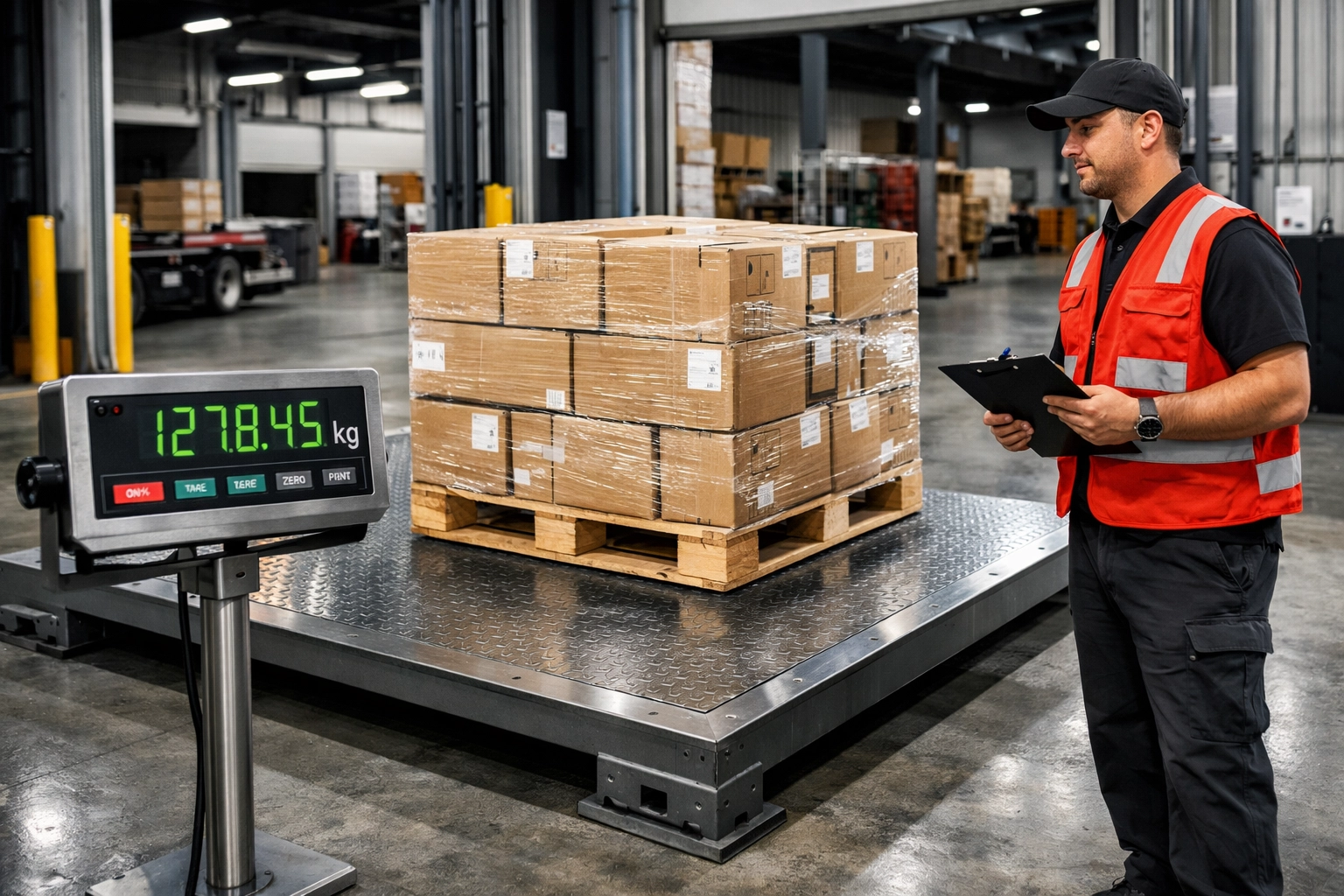
Mistake #1: Estimating Weight Instead of Actually Weighing Your Freight
We get it. Not every warehouse has a calibrated scale sitting around. But here's the problem: when you estimate the weight on your Bill of Lading (BOL), you're opening yourself up to reweighing fees down the line.
Worse? If you need to file a claim, carriers calculate their liability based on the weight listed on your BOL. So if you underestimated at 500 pounds but the shipment actually weighs 800 pounds, your claim settlement gets calculated at 500 pounds, even if the carrier later reweighs it at the heavier amount.
The fix: Invest in a proper scale or use a third-party weigh station. The few bucks you spend getting an accurate weight will save you hundreds (or thousands) in reclassification fees and underpaid claims.
Mistake #2: Playing Games with Freight Class to Save Money
Look, we've all been tempted. Drop the class from 85 to 50, save a few bucks on the quote, what could go wrong?
Everything. That's what could go wrong.
The National Motor Freight Classification (NMFC) system exists for a reason. It assigns classes from 50 (dense, heavy stuff like bricks) to 500 (light, bulky, fragile items like ping pong balls) based on four factors:
- Density – Weight per cubic foot
- Handling – How difficult it is to load and transport
- Stowability – How well it fits with other freight
- Liability – Risk of damage or theft
When you intentionally misclassify to get a cheaper rate, you're not beating the system, you're just delaying the bill. Carriers will reclassify your shipment, charge you the difference, and if you ever need to file a claim, your payout gets slashed.
We've seen claims where goods were misclassified as FAK 50 instead of FAK 85. The shipper filed an $800 claim and got $100. That's not a typo.
Mistake #3: Leaving Off the NMFC Number on Your BOL
Here's a mistake that seems small but creates massive headaches: putting down a freight class without the actual NMFC number.
Saying "Class 85" isn't enough. You need the specific NMFC code that corresponds to your exact commodity. Vague descriptions like "shipping item" or just "FAK" (Freight All Kinds) will trigger automatic reclassification.
The fix: Look up your product's NMFC number before you ship. It takes five minutes and saves you from compliance violations and reclassification fees. At Firehouse Freight, we help our customers nail this down before the shipment even leaves the dock.
Mistake #4: Guessing at Dimensions (or Measuring Wrong)
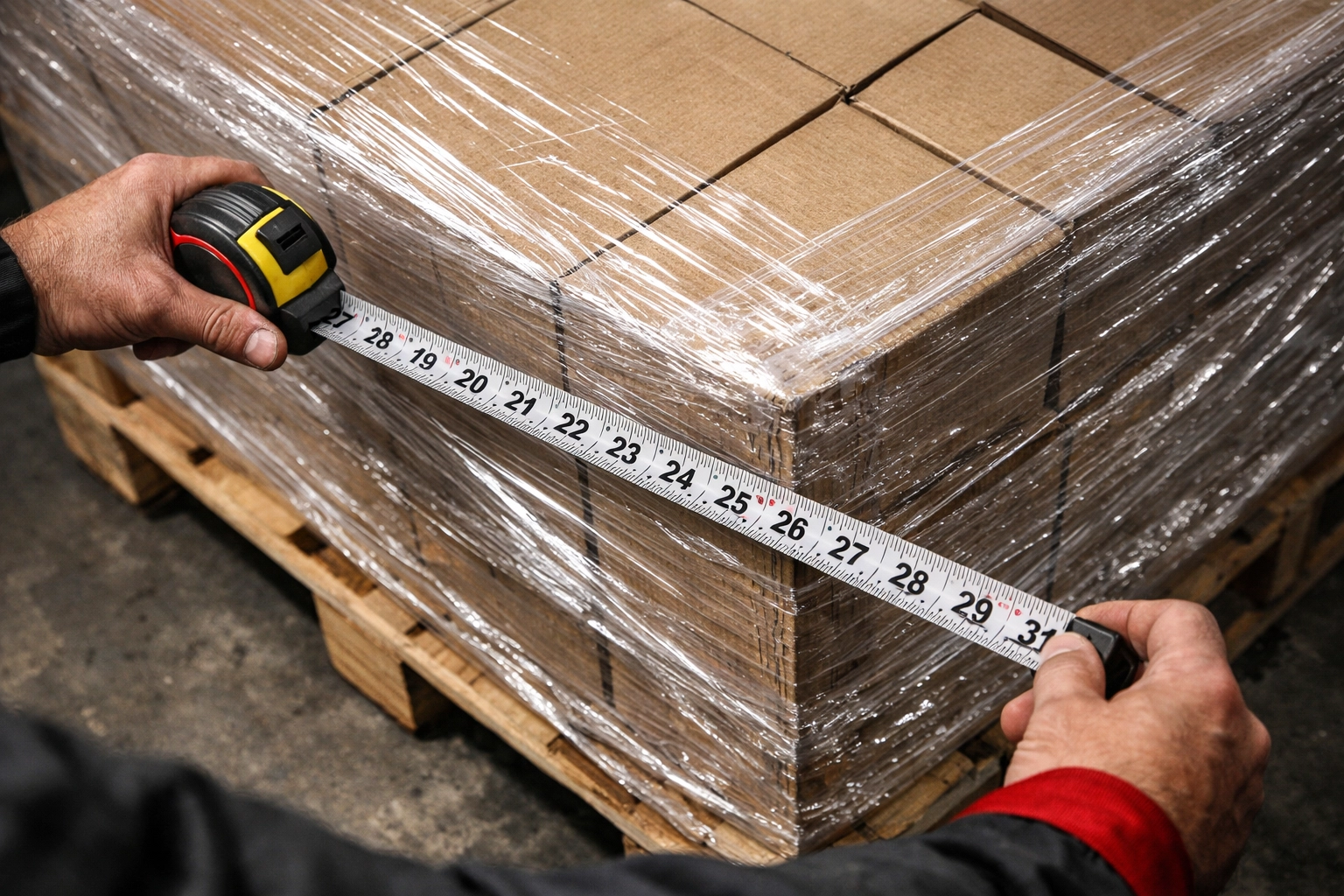
You'd be shocked how many people measure their freight incorrectly. And we're not talking about being off by an inch, we're talking about forgetting to include the pallet height, not accounting for shrink wrap, or measuring the box instead of the full palletized unit.
Carriers measure at the longest, widest, and tallest points, including everything. When your dimensions are wrong, your density calculation is wrong. When your density is wrong, your freight class is wrong. And when your freight class is wrong, you're paying extra.
Plus, inaccurate dimensions can lead to carrier refusal, terminal delays, and reweigh fees at every stop along the route.
The fix: Measure everything. Pallet, wrap, overhang, all of it. Then calculate your density using this formula:
(Length × Width × Height in inches ÷ 1,728) = Cubic Feet
Then:
Weight in Pounds ÷ Cubic Feet = Density (PCF)
Cross-reference that density with the current NMFC guidelines to get your actual freight class.
Mistake #5: Sloppy Paperwork and Incomplete Documentation
Incomplete BOLs are a back-office nightmare. Missing contact info, vague product descriptions, incorrect payment details, wrong classification codes, all of these slow down processing and create opportunities for errors.
When your documentation is messy, it compounds every other mistake. A small classification error becomes a major issue when the paperwork doesn't support your claim or provide clarity on what's actually in the shipment.
The fix: Use a checklist. Every BOL should have:
- Accurate contact information (shipper and consignee)
- Detailed product description with NMFC number
- Correct weight and dimensions
- Proper freight class
- Declared value (if applicable)
- Clear payment terms
Mistake #6: Hiding Behind FAK Instead of Using Actual Freight Class
FAK (Freight All Kinds) is a shortcut. Sometimes it works when you have a negotiated contract with your carrier. But if you're using FAK as a way to avoid calculating actual freight class, you're asking for trouble.
Carriers know the game. They'll reclassify your shipment, charge you the difference, and if there's a claim, you're getting the minimum payout because your classification wasn't specific.
The fix: Calculate the actual freight class for every shipment. Yes, it takes more time upfront. But it eliminates surprises on the back end.
Mistake #7: Non-Compliant Packaging and Improper Palletization
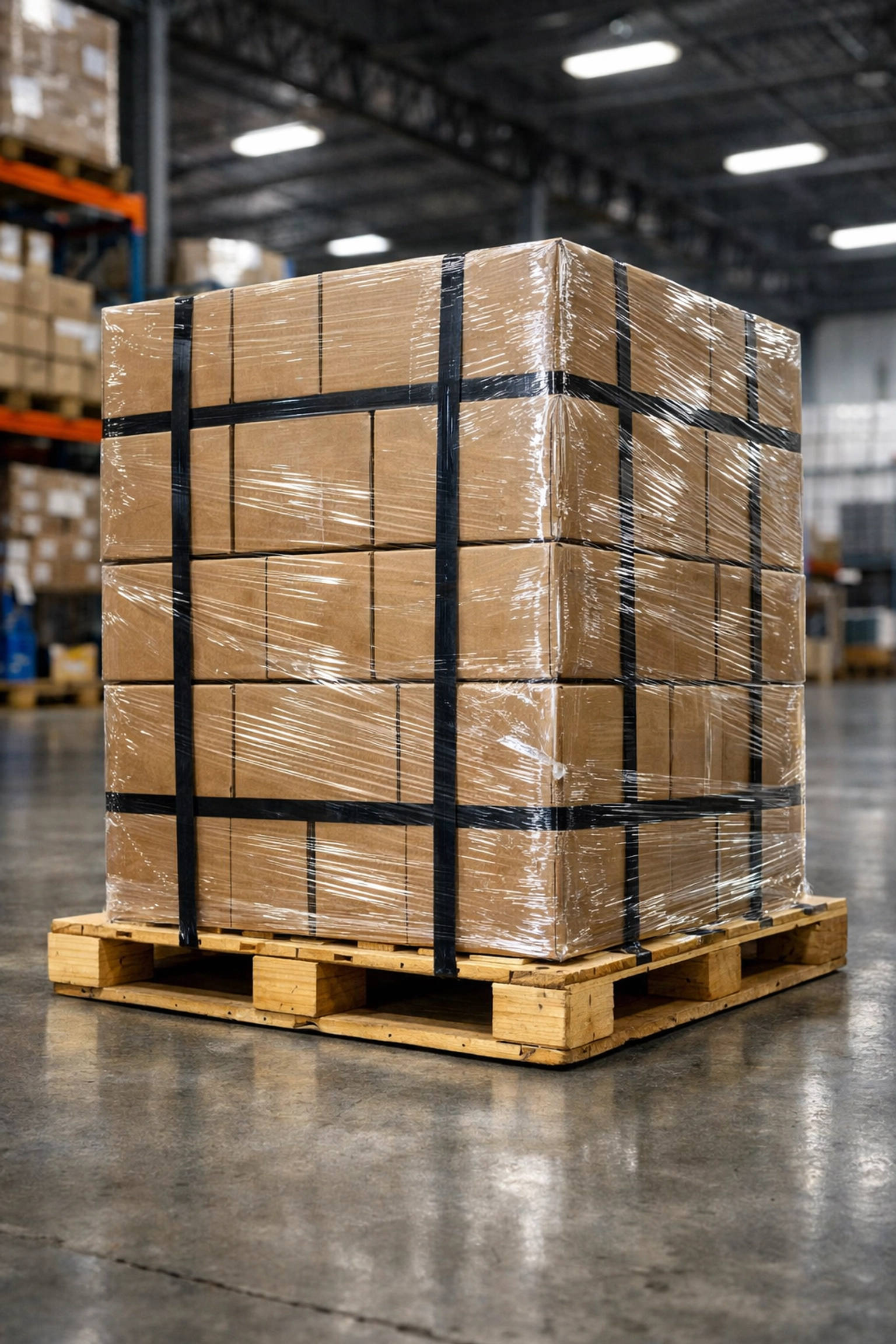
Here's one that catches people off guard: your packaging has to meet industry standards. If it doesn't, carriers can refuse the shipment entirely, charge you additional fees (sometimes up to 200% of standard rates), or deny your claim if damage occurs.
And here's the kicker: if you calculate density based on individual cartons instead of the full palletized unit, you're going to get the wrong freight class. The carrier doesn't care what your boxes weigh individually: they care about the space and weight of the entire pallet.
The fix: Palletize properly, use compliant packaging materials, and calculate density based on the full unit as it ships.
How the NMFC Changes Are Going to Cost You (If You're Not Prepared)
In July 2025, the National Motor Freight Traffic Association (NMFTA) rolled out a major overhaul: a standardized, density-based classification model. This is the biggest change to the NMFC system in years, and it's impacting over half of all commodities currently being shipped.
Here's what that means for you:
Old NMFC codes may no longer apply. If you're still using classification codes from before the change, there's a good chance your freight will get reclassified mid-shipment. That means surprise fees, delays, and confusion.
Density is now king. The new system leans heavily on density-based classification. If you've been relying on outdated methods or rough estimates, you're going to get caught.
Carriers are cracking down. With the new standards in place, carriers have less wiggle room and more incentive to reclassify incorrectly classified freight. That means more audits, more fees, and more headaches for shippers who aren't keeping up.
The goal of the NMFTA's changes was to simplify classification: but only if you do the work upfront to verify your freight against the updated guidelines. If you don't, you're guaranteeing costly corrections at the terminal or during transit.
How Firehouse Freight Keeps You Out of Trouble
Here's the thing: we've been doing this long enough to know where the landmines are buried. We don't just move freight: we make sure it's classified right, documented properly, and priced transparently from the start.
When you work with us, here's what you get:
- Accurate classification before you ship – We calculate density, verify NMFC codes, and make sure your freight class is correct the first time.
- No reclassification surprises – What we quote is what you pay. Period.
- Documentation that's airtight – We handle the paperwork so you don't have to worry about missing details or compliance violations.
- Proactive updates on NMFC changes – The rules change. We keep up so you don't have to.
We're not here to nickel-and-dime you with hidden fees or reclassification charges. We're here to move your freight reliably, transparently, and without the headaches that come from sloppy classification.
If you're tired of getting burned by re-class fees and claim denials, let's talk. We'll walk you through exactly how we classify your freight and why it matters. No fluff, no sales pitch: just straight talk from people who know the road.
Ready to stop overpaying for freight mistakes? Get in touch with Firehouse Freight and let's make sure your next shipment is classified right the first time.